


Asterfel hands-on | A first look at the dark action RPG with strong Gothic DNA
A hands-on look at Asterfel’s Gothic-inspired atmosphere, old-school RPG mechanics and combat, highlighting its promising foundations and the areas that still need improvement.

Asterfel makes no attempt to hide its influences. From the very first moments, Mysteria Studio’s third-person action RPG strongly evokes the classic European RPGs of the early 2000s, particularly the original Gothic, not only through its visual style but also through the broader design philosophy it appears to follow. Thanks to access provided by Mysteria Studio, we had the opportunity to play The Kindred Mission, a mission tied to the Kindred faction from new Gamescom playtest build of Asterfel. In this particular section, our character joins a companion NPC in a raid on an enemy camp, giving us an initial look at the combat, atmosphere and overall direction of the game.
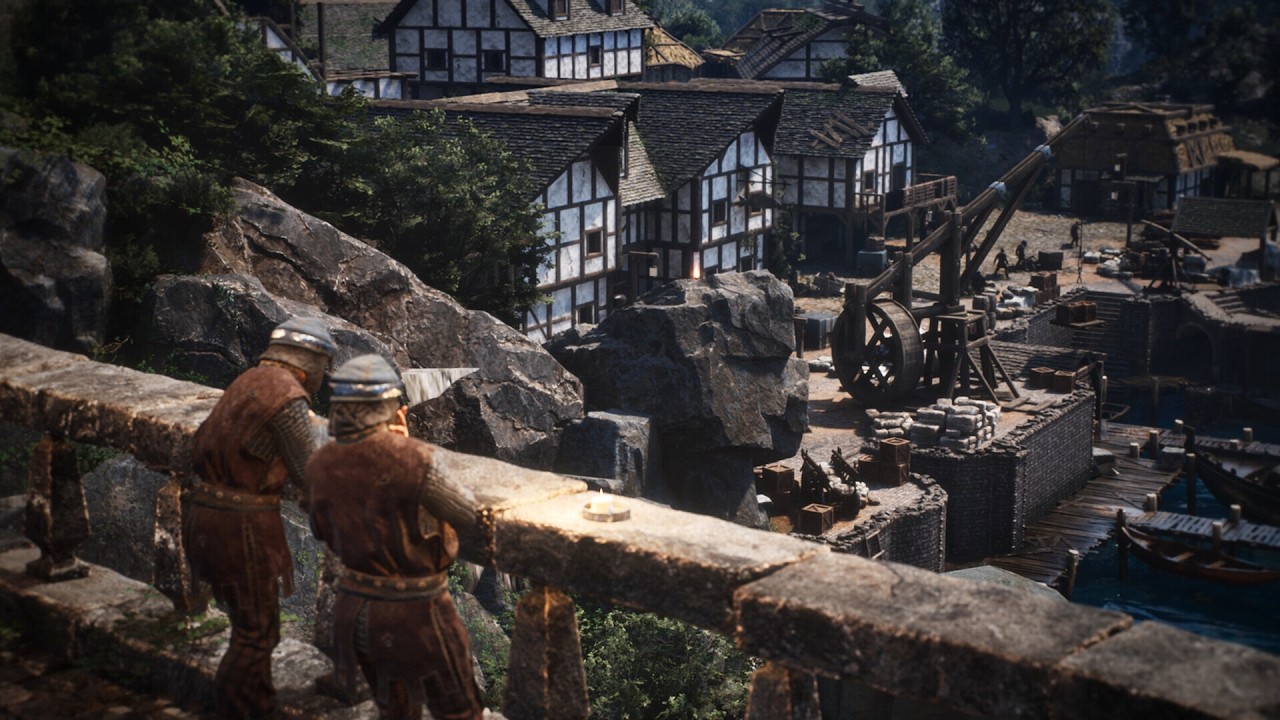
The influence of Gothic is everywhere
The first thing that becomes apparent is Mysteria Studio’s effort to recreate the distinctive feeling of RPGs from the era of Gothic and Risen.
The character design, lighting, relatively muted color palette and general presentation of the world create several moments that strongly recall the original Gothic. There is a rougher, more old-school aesthetic at work here, one that feels like a deliberate artistic choice rather than an attempt to impress through cutting-edge visuals.
This is likely one of the strongest elements Asterfel already manages to communicate. It is not trying to look like a modern AAA action RPG. Instead, it seems to know exactly which audience it is targeting, building its identity around an older school of RPG design. The Gothic DNA remains unmistakable and is difficult to miss for anyone familiar with Piranha Bytes’ older games.
Combat offers several options, but still needs work
Combat makes up the largest part of the mission we played and offers an initial look at how Asterfel’s systems are intended to work.
The game supports different approaches, with melee weapons, bows and magic all forming part of the overall combat system, while its design appears to give players a reasonable degree of freedom in choosing their preferred playstyle. The ability to combine different options is interesting and fits well with the broader philosophy of an RPG that does not appear to want to lock the character into a strictly predefined path.
In practice, combat is functional and easy to understand, without presenting any immediate issues. At the same time, however, it does not yet have the fluidity or sense of impact that would make each hit feel genuinely satisfying.
Animations remain somewhat stiff in certain situations, while character and enemy reactions do not always feel as natural as we would like. None of this had a meaningful negative effect on our experience, but it is one of the areas where there is clearly still room for improvement.
The companion helps — sometimes perhaps a little too much

The companion NPC accompanying us during the mission presents a similar picture. The character takes an active role in combat rather than simply serving as a passive presence. That is a positive in itself, as it avoids the familiar problem of companions who merely follow the player without contributing anything meaningful.
On the other hand, the companion can be quite effective in some encounters and is capable of handling a significant part of the fight alone. In the build we played, this never became outright frustrating, but it remains an area that will need careful balancing. A companion should feel useful without becoming the character doing most of the work on the player’s behalf.
Asterfel’s old-school philosophy appears to go beyond its visuals
Asterfel’s connection to older RPGs does not appear to be limited to its visual identity. One of the key ideas behind the game is the exploration of a world that does not constantly guide the player. Mysteria Studio has designed Asterfel around different factions, quests, character progression and choices that are intended to allow players to carve out their own path through the world.
That approach may ultimately prove more important than the obvious similarities to Gothic. The classic RPGs of that era did not stand out simply because of how they looked, but because they expected players to learn the world, pay attention to their surroundings and discover for themselves where they needed to go and what they could do.
If Asterfel manages to carry that philosophy successfully throughout the full game, it could have considerably more to offer than a simple nostalgic return to the era of Gothic.
Asterfel still shows its early stage of development
Despite the clear direction it has chosen, Asterfel still displays several characteristics of a game that remains in active development.
The animations need to feel more natural, NPC and enemy behavior could be improved, and the overall presentation does not yet have the level of polish expected from a finished release.
In the build we played, dialogue was not accompanied by voice acting, with communication between characters handled entirely through text. This is another element that reflects Asterfel’s current stage of development rather than something that should be treated as representative of the final version.
Most importantly, none of these issues left us with a particularly negative impression. The rough edges are noticeable, but for now they fall more into the category of areas we would expect to improve as development continues.
Asterfel is heading in the right direction, but still needs to establish its own identity

Our first experience with the Asterfel playtest was not the kind of experience that immediately generated major excitement, but neither did we come away disappointed.
What the game already does quite well is communicate exactly what kind of RPG it wants to become. Its atmosphere, lighting, visual identity and overall presentation carry strong Gothic DNA, while the freedom offered in combat, the faction system and the emphasis on less guided exploration suggest that those influences go deeper than surface-level aesthetics.
At the same time, Asterfel still needs work. Its animations, NPC AI and overall level of polish continue to reflect the project’s early stage of development, although none of these currently appear serious enough to be a major cause for concern.
For now, what stands out most is the direction Mysteria Studio has chosen. Asterfel already captures the Gothic-inspired atmosphere it is aiming for and shows promising foundations as an old-school action RPG. The real challenge from here will be whether it can build enough depth, personality and original ideas on top of those foundations so that, once complete, it is remembered as more than simply another RPG that reminded us of Gothic.
For more gaming coverage, visit the Gaming News section of Gaming-Sanctum, follow us on social media or subscribe to our newsletter to receive our most important news and articles every week.